In an increasingly unstable world, Arab states must prioritise military self-reliance. For decades, many of the region’s armed forces have depended on foreign allies for training, equipment, command guidance, and even strategic planning.
While these partnerships have brought benefits, continued dependence has also created long-term vulnerabilities. It is now vital for Arab militaries to naturalise their training systems, build their own professional capacity, and create command structures rooted in local expertise and culture. Without these changes, true independence and security will remain elusive.
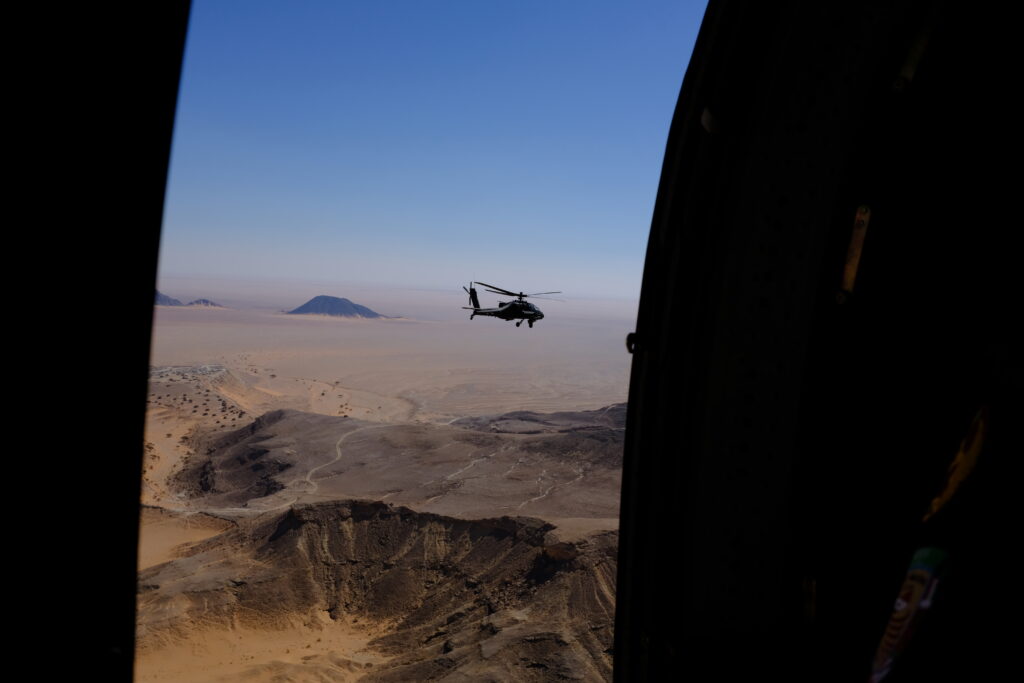
A powerful example of successful military localisation is the development of the UAE’s elite Presidential Guard. This force was shaped through lessons learned during Emirati deployments alongside Western forces in Afghanistan. Drawing on that operational experience, the UAE was able to field an integrated, professional expeditionary unit during its campaign in Yemen. As documented in Michael Knights’ detailed account 25 Days to Aden, the UAE’s Presidential Guard played a central role in the 2015 liberation of Aden, demonstrating a high degree of autonomy in planning, logistics, and combat operations. It acted as a truly indigenous force—trained, led, and commanded by Emiratis—capable of coordinating complex manoeuvres without direct foreign oversight.
This success highlights the importance of localising training. Foreign-led instruction often imposes doctrine unsuited to regional realities. A naturalised training system, tailored to the operational context and cultural environment of Arab states, better prepares personnel for real-world challenges. Local trainers using regional languages, history, and geography as core reference points help develop troops who are not only technically capable but also deeply connected to the mission and the nation.
Second, building capacity across all levels is critical. This includes not just combat troops but also planners, logisticians, intelligence analysts, and cyber specialists. Relying on foreign contractors to maintain key capabilities leaves states exposed during periods of geopolitical tension. Without in-house knowledge and systems, strategic autonomy becomes impossible. Indigenous expertise ensures that states can plan, sustain, and execute operations based on their own interests and timelines.
Equally important is the naturalisation of command structures. A chain of command rooted in national identity and local strategic understanding is more likely to earn public trust and perform effectively in complex environments. Emirati officers leading Emirati troops in Yemen did not just follow orders—they interpreted the mission through a national lens, adjusted to conditions on the ground, and made independent decisions that proved decisive.
Reducing reliance on allies does not mean abandoning partnerships. Rather, it means pursuing a more balanced approach. Strategic cooperation will remain valuable, but overdependence limits freedom of action. Allies may become unavailable, unwilling, or politically constrained. Building strong, sovereign forces is the only path to consistent readiness.
In conclusion, Arab militaries must invest in themselves. The UAE’s Presidential Guard demonstrates that this is not only possible—it is already happening. With the right vision and commitment, other Arab states can follow suit, ensuring that future challenges are met with strength rooted in national capability.

Author: Lt Col. Abdullah AM (Retd.)
Lt Col Abdullah AM is a recently retired member of the Emirati Armed Forces with 14 years experience in the military. He is now a consultant for the defence sector in the Gulf, advising companies on how they can better serve the market.